The Global Reality of Gender Inequality
Women play a critical role in families, communities, and economies worldwide. Yet despite their contributions, gender inequality remains a major global challenge. Millions of women continue to face discrimination in education, employment, healthcare, and decision-making. These inequalities limit not only women’s potential but also the overall development of societies.
Globally, women are more likely to live in poverty, have limited access to education, and work in informal or low-paying jobs. In many regions, cultural norms and systemic barriers prevent women from owning land, accessing financial services, or participating in leadership. This imbalance creates a cycle of dependency and vulnerability that is difficult to break.
Women empowerment is therefore not just a gender issue—it is a development issue. When women are empowered, families are healthier, children are better educated, and communities are more resilient.
Challenges Facing Women in Developing Countries
In developing countries, women face compounded disadvantages. Limited access to education restricts employment opportunities, while economic dependence increases vulnerability to exploitation and abuse. Many women are excluded from financial systems, making it difficult to start businesses or invest in skills.
Healthcare access for women is also a major concern. Maternal health challenges, lack of reproductive health education, and limited access to healthcare facilities place women at significant risk. These challenges are often worsened by poverty and social norms that prioritize men’s needs over women’s well-being.
Despite these obstacles, women continue to demonstrate resilience and resourcefulness, often acting as the backbone of households and local economies.
The Situation of Women in Cameroon
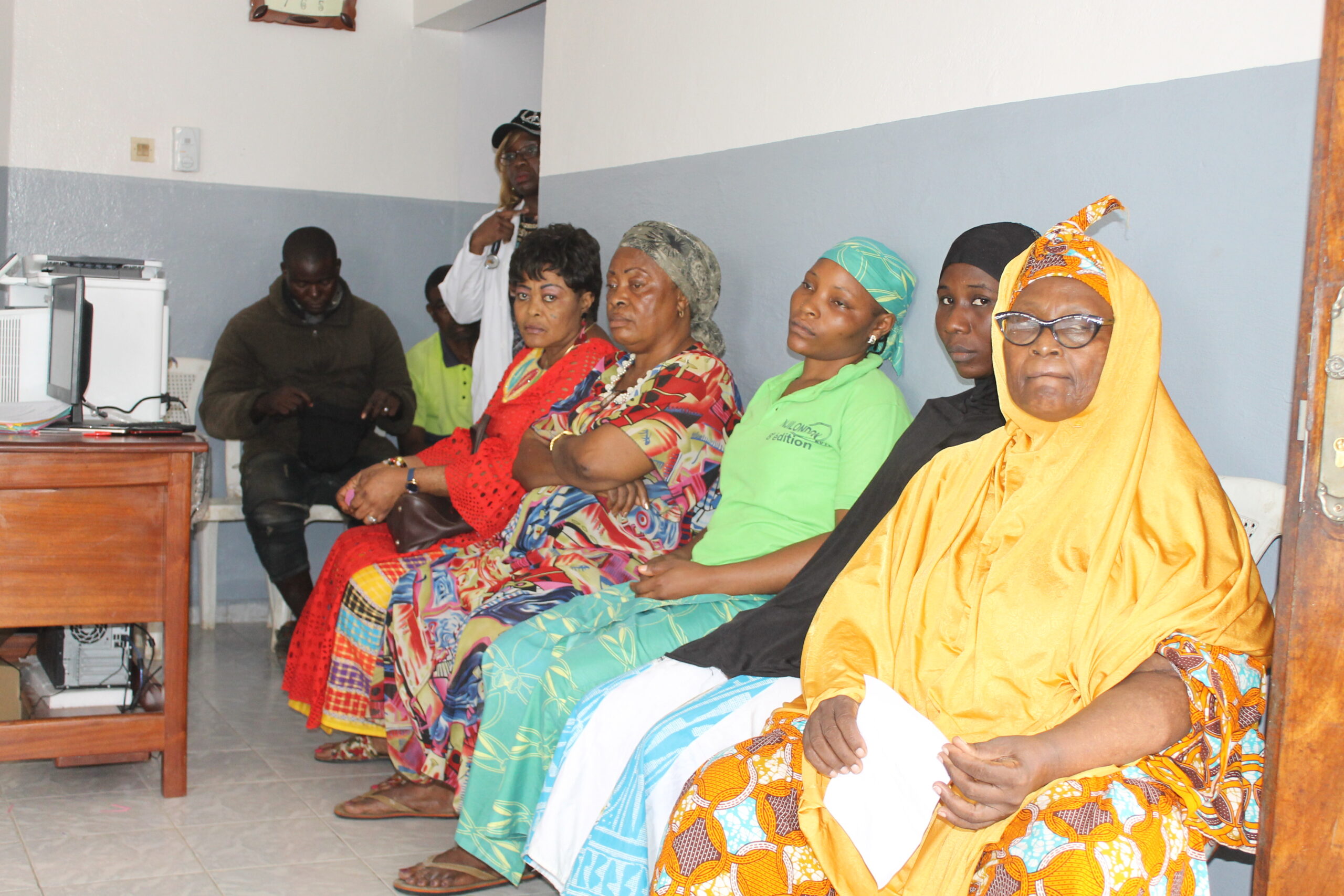
In Cameroon, women face many of the same challenges seen globally, particularly in rural areas. Limited access to education, land ownership, and financial resources continues to affect women’s ability to achieve economic independence. Many women engage in subsistence farming or informal trading, yet lack the tools, training, or capital to scale their efforts.
Cultural expectations often place a heavy burden on women as caregivers while restricting their participation in leadership and decision-making. Young girls are especially vulnerable, as early marriage, poverty, and limited educational opportunities reduce their chances of reaching their full potential.
Despite these challenges, Cameroonian women remain central to community survival and development. Empowering them is one of the most effective ways to create lasting change.
Strategies for Empowering Women
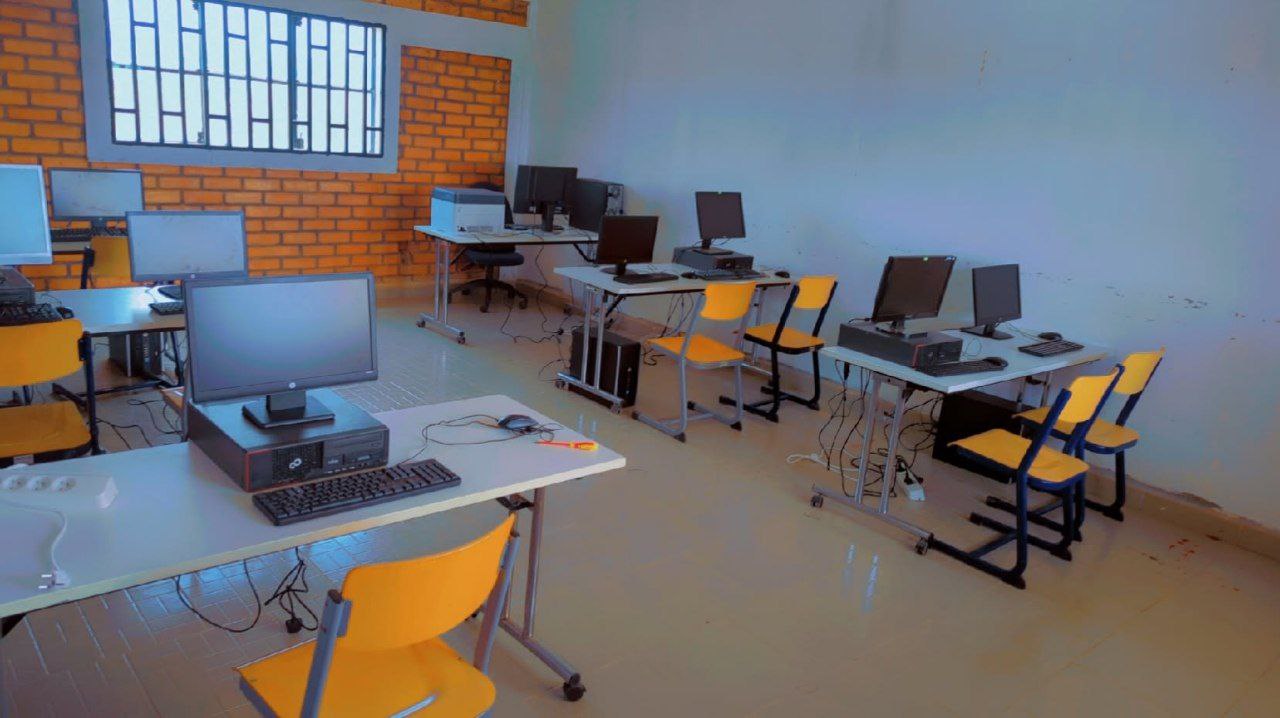
Women empowerment requires long-term, practical solutions. Education is the foundation—when girls are educated, the benefits extend across generations. Skills training and vocational education also play a vital role in equipping women with the tools needed for self-reliance.
Economic empowerment through access to livelihoods, small business support, and financial literacy enables women to support their families with dignity. Equally important is healthcare access, ensuring that women can care for themselves and their children.
Community engagement and advocacy are also essential. Changing perceptions around gender roles requires awareness, dialogue, and collaboration with community leaders, men, and youth.
How Enownjock Foundation Supports Women Empowerment
Enownjock Foundation recognizes that empowering women is key to sustainable development. Through livelihood programs, education support, and community initiatives, the foundation works to strengthen women’s economic independence and social participation.
By supporting women with skills development, access to opportunities, and community-based programs, the foundation helps reduce vulnerability and promote self-sufficiency. These efforts not only uplift women but also improve family welfare and community stability.
The foundation’s approach is rooted in respect, inclusion, and long-term impact. By empowering women to become active contributors to development, Enownjock Foundation plays a meaningful role in building stronger, healthier, and more resilient communities in Cameroon.